AI Ecommerce Certification for Shopify teams Coming soon
Improve my ecommerce operations with AI
As your ecommerce grows, operations become a decisive performance factor. Teams must manage more volume, more variability, more channels, more exceptions—often with tools that weren’t designed to scale at the same pace.
This is especially true in environments with large and evolving catalogs, where managing products, attributes, prices, and updates multiplies friction points and error risks. As a result, friction accumulates:
AI is not meant to “replace” operations. It helps reduce the load, increase reliability, and make execution more predictable—provided it’s deployed on solid foundations.
The goal is to improve operations by combining operational rigor, automation, and AI to amplify performance without adding complexity to the organization.
The problem in an ecommerce context
Reduce friction, exceptions, and variability:
- Fewer manual operations
- Fewer errors
- Standardized and measurable processes
- Faster execution, even during peak periods
AI depends on data quality and your ability to measure:
- Cleaner, better-structured data
- Consistent and reliable indicators
- Better detection of irritants and anomalies
- Prioritization based on facts, not impressions
AI must fit into a coherent ecosystem:
- Reliable integrations between systems (commerce, inventory, customer service, marketing, finance)
- Clear rules and governance
- Security, access rights, and traceability
- Progressive deployment without operational disruption
Signs it’s time to integrate AI into your processes
If you recognize yourself in these elements, AI and automation can become structural levers:
AI applied to your ecommerce operations, by industry
Priorities vary by sector, catalog, logistics, and revenue model. AI creates the most value when it reduces operational load, improves data quality, and makes execution more consistent.





AI enhances efficiency in repeat-purchase models with frequent launches and high consistency demands:
The Lake House Group approach
We improve your operations by combining human expertise, automation, AI, and operational rigor. This combination amplifies performance without adding complexity, moving forward in a structured way.
Foundation and automation
We consolidate the foundations and automate what needs to be automated to reduce the load and make execution reliable:
- Process and irritant mapping
- Data quality and structure (sources, definitions, rules)
- Governance, access rights, and security
- Automation of repetitive tasks and validations
- Standardization of key processes and exception reduction
- More reliable integrations between your systems
- Team posture, developed through training
Evolution
We move step by step to generate concrete results without operational disruption:
- Use case prioritization by impact and feasibility
- Progressive deployment and measurement-based adjustments
- Continuous improvement of reliability, productivity, and data quality
- Gradual extension of use cases as maturity increases
Partnership and knowledge transfer
- Long-term collaboration based on continuous improvement
- Deep understanding of your operations, constraints, and objectives
- Intervention as an extension of your internal teams, day-to-day
- Adoption support, beyond solution delivery
- Skills transfer to work effectively with tools, data, and AI
- Strengthening team autonomy and confidence as your operations evolve
What you get concretely
Frequently asked questions
Everything you need to know about this service
Yes, but AI is only effective when certain foundations are stabilized: essential data, clear rules, and minimum governance. The goal is progressive improvement, not waiting for an ideal state.
With an impact-oriented diagnostic: identify 3 to 5 processes where manual load is high, errors are costly, and measurement is possible. Prioritization makes the difference.
Generally, no. AI integrates into your environment and reinforces process efficiency. The main challenge is data consistency and integration reliability.
Reduced operational time, fewer errors and rework, improved processing times, fewer exceptions, and better data quality to drive continuous improvement.
Tailored Success Stories
Curated by the specific service featured on this page, these case studies drive real results—giving you relevant, service-focused successes at a glance.
View all projects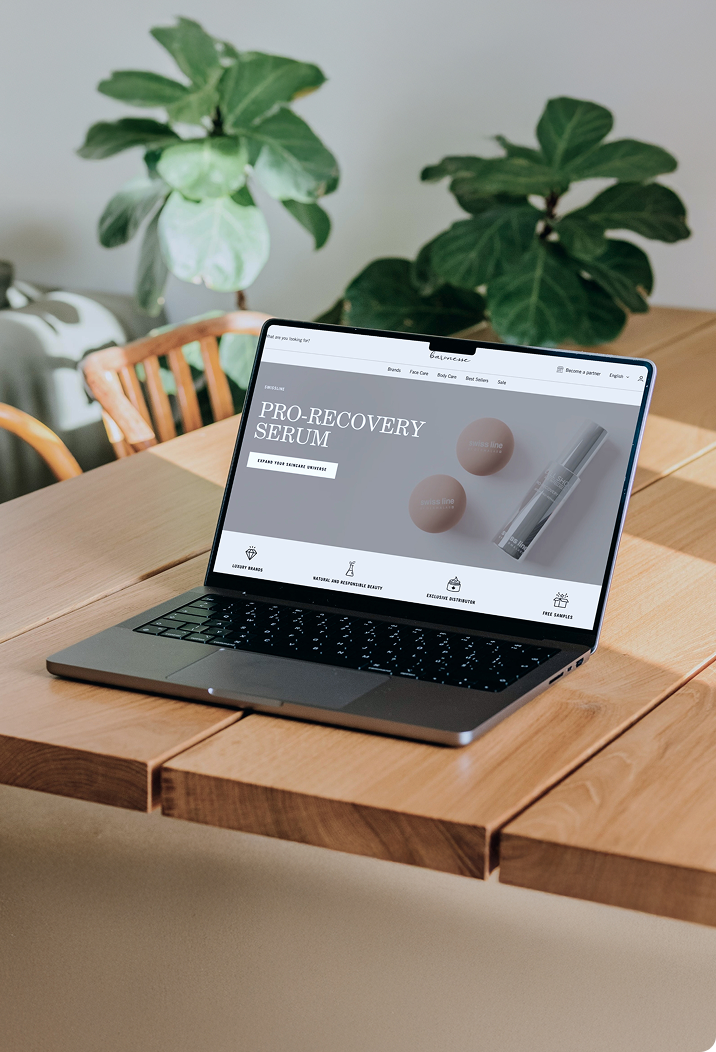
From Showcase to Sales: Baronesse’s Transformation into a Scalable E-Commerce Experience
How Lake House Group helped Baronesse transition from a basic showcase site to a high-performing, scalable Shopify e-commerce platform.
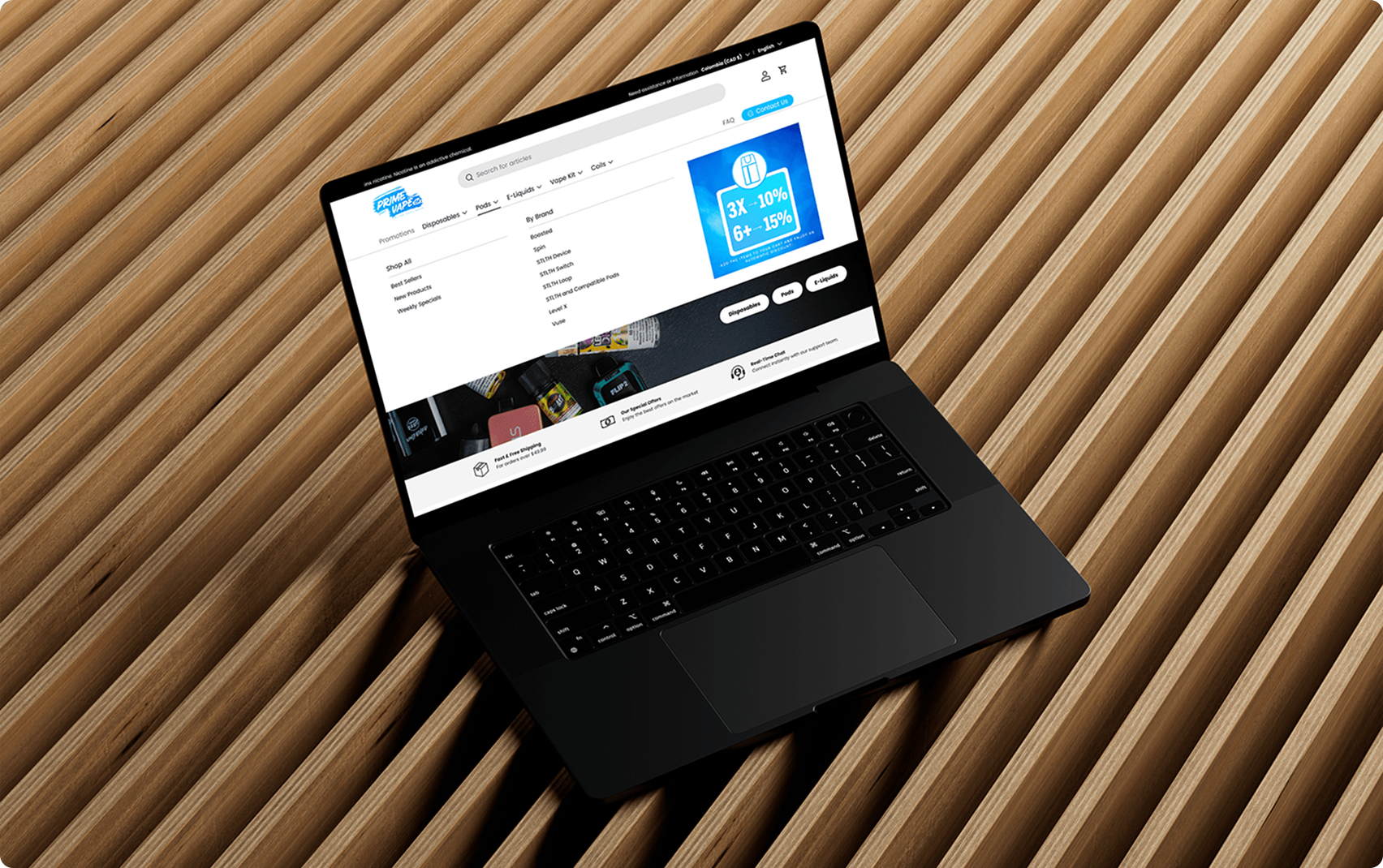
Full Shopify revamp for BFCM
How Lake House Group delivered a complete Shopify store transformation in one month, driving +23% AOV and +15% conversion rate for BFCM 2024.
Improve your operations without adding complexity
Lake House Group combines expertise, automation, and AI to reduce operational load, make execution reliable, and improve the evolution capacity of your ecommerce operations.
We help you identify the most profitable use cases and deploy them in a structured way.