AI Ecommerce Certification for Shopify teams Coming soon
Optimize My Shopify Ecommerce Store
When your ecommerce scales up, Shopify becomes the heart of your revenue engine… but also the main friction point if the store doesn’t evolve at the same pace as your operations.
Performance isn’t just about site speed. It’s a systemic challenge: customer experience, catalog, automations, apps, checkout, and operations all need to work together seamlessly. The symptoms keep coming back:
The goal of Shopify store optimization is simple: improve performance without adding complexity. We strengthen speed and mobile experience, reduce conversion friction, stabilize the theme and app ecosystem, and automate what slows operations down.
AI then amplifies these gains—if the foundation is solid: more effective product content, more relevant product recommendations and merchandising, faster detection of irritants. The result: a more stable, more profitable store that’s easier to evolve continuously.
The problem in an ecommerce context
On Shopify, optimization goes beyond technical performance. It addresses three structural challenges:
On Shopify, optimization goes beyond technical performance. It addresses three structural challenges:
- Conversion rate declining despite growing traffic
- Average order value and repeat purchases hard to improve without multiplying promotions
- Uneven promotional performance, hard to read or measure
- Customer journey that could be improved (navigation, search, product pages, checkout)
- Difficulty testing and deploying improvements quickly without risking the existing setup
Teams lose time on low-value tasks:
- Uneven data quality, complicating segmentation and automation
- Partial or fragile automations, often dependent on manual handling
- High operational time spent on management rather than optimization
- Growing complexity as catalog, channels, or markets evolve
Technical debt slows evolution:
- Shopify architecture and theme poorly structured or ill-suited for growth
- Accumulation of redundant or poorly integrated apps, increasing subscription costs
- Incomplete or unreliable performance tracking
- Technology foundation insufficiently prepared for advanced automation and AI
Signs it’s time to optimize Shopify
If you recognize yourself in these situations, your store is likely reaching its current limits:
A Shopify optimization adapted to your reality
We work with growing Shopify brands across multiple sectors. Optimization priorities vary by business model, catalog, commercial pace, and operational constraints.





Here, Shopify must support recurrence and loyalty: bundles, offers, personalization, segmentation, and flawless mobile experience. Optimization often focuses on the ability to execute quickly (launches, promos) without destabilizing the marketing ecosystem.
The Lake House Group approach
We optimize Shopify to improve performance without adding complexity, then prepare the store to leverage automation and AI progressively and sustainably. Our approach follows three steps.
Foundation
We consolidate what needs to be to restore a stable and effective store:
- Diagnosis of irritants (speed, mobile journey, theme, apps, data, measurement)
- Ecosystem simplification (what’s critical, what should be removed or replaced)
- Implementation standards to avoid recreating technical debt
Automation
We make execution smoother and more reliable:
- Automation of repetitive tasks
- Process stabilization (catalog, pricing, promotions, inventory, updates)
- Reduction of manual interventions and risks during launches
Evolution
We stay engaged to evolve the store at the pace of the business:
- Continuous improvement of performance and conversion
- Team capacity building (cadence, methods, governance)
- Gradual AI activation when the foundation and data allow
What you get concretely
Frequently asked questions
Everything you need to know about this service
It’s the set of actions that improve performance, conversion, reliability, and capacity to evolve—by working on architecture, theme, app ecosystem, data, and workflows.
We optimize first what blocks performance and stability. A rebuild is only relevant if the current architecture prevents any lasting improvement.
We proceed iteratively: fast quick wins, then structural projects. The goal is continuous improvement without interrupting activity.
Yes. The model is designed to integrate with your operations, strengthen your internal capabilities, and evolve the store over time.
Tailored Success Stories
Curated by the specific service featured on this page, these case studies drive real results—giving you relevant, service-focused successes at a glance.
View all projects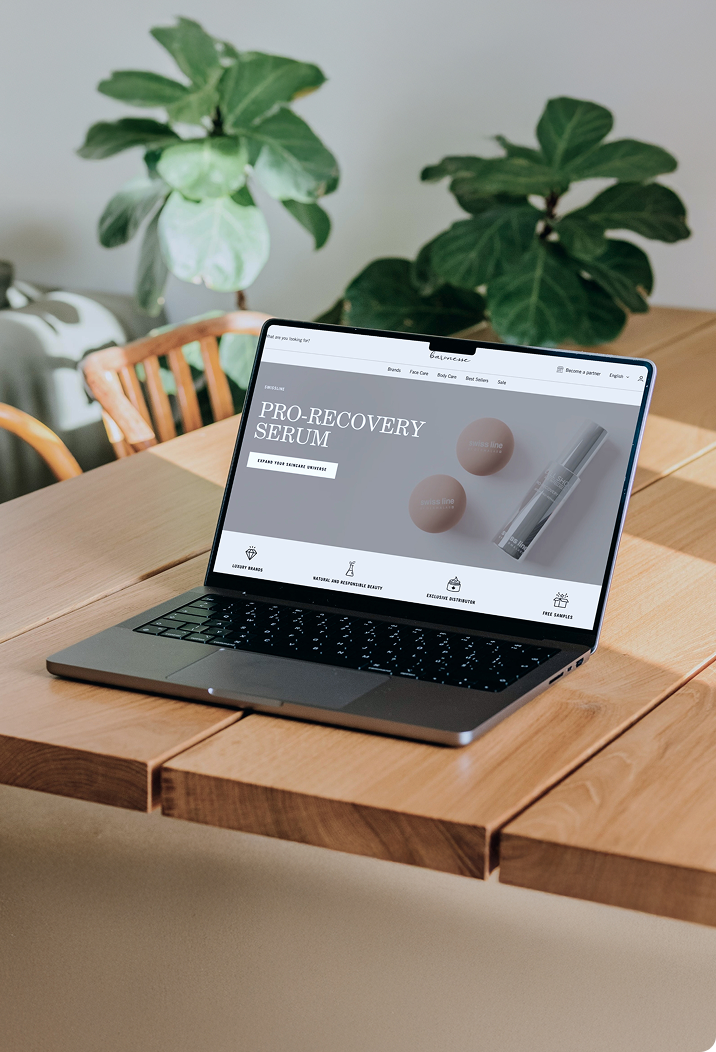
From Showcase to Sales: Baronesse’s Transformation into a Scalable E-Commerce Experience
How Lake House Group helped Baronesse transition from a basic showcase site to a high-performing, scalable Shopify e-commerce platform.
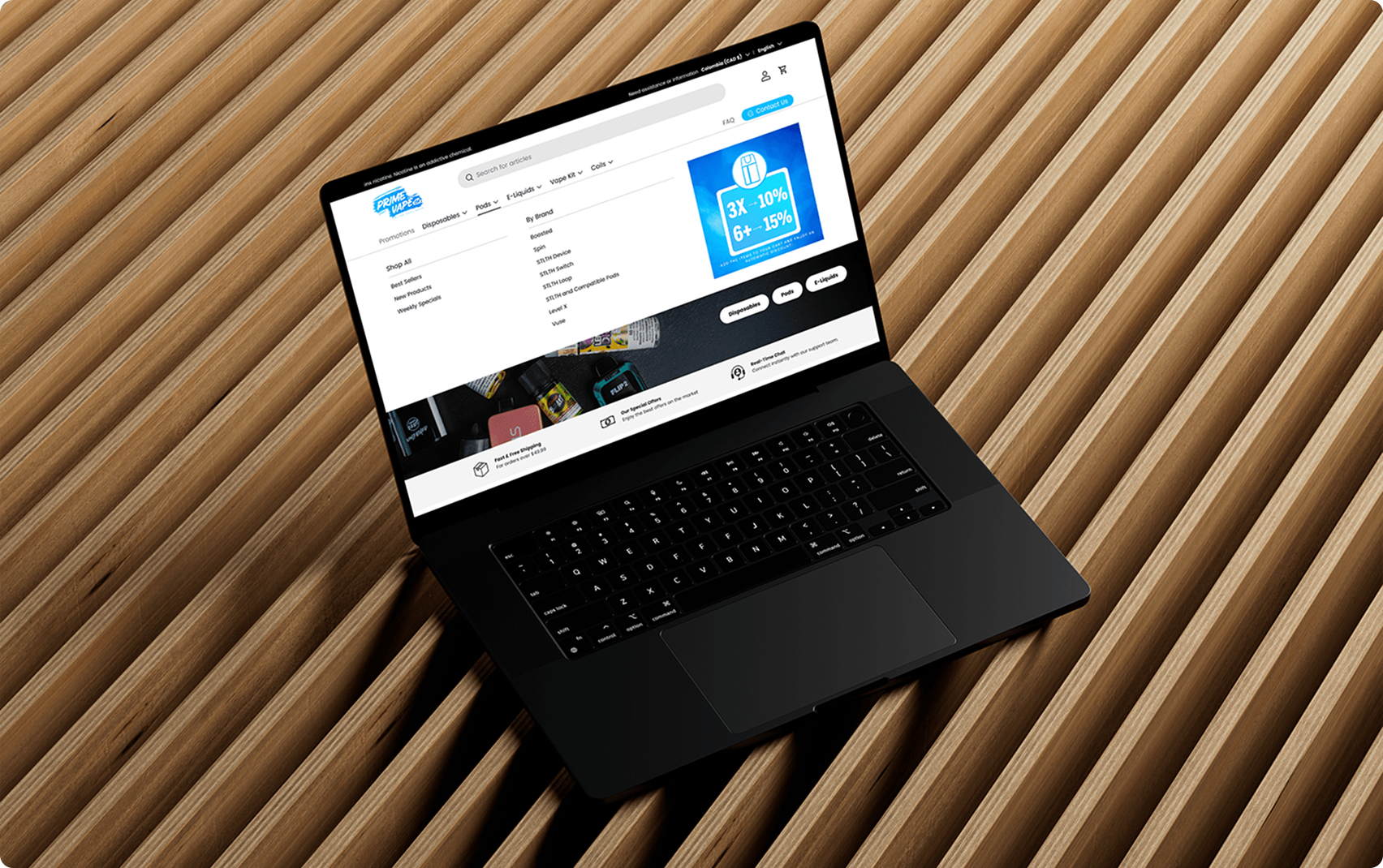
Full Shopify revamp for BFCM
How Lake House Group delivered a complete Shopify store transformation in one month, driving +23% AOV and +15% conversion rate for BFCM 2024.
Ready to make Shopify more performant, more stable, and easier to evolve?
Lake House Group optimizes Shopify by combining human expertise, automation, AI, and operational rigor. This combination amplifies performance without complicating the platform—improving speed, conversion, reliability, and the store’s capacity to evolve.
For growing Shopify brands that want to improve performance and execution.