AI Ecommerce Certification for Shopify teams Coming soon
Migrate to Shopify to Scale My Ecommerce
As your ecommerce grows, the platform it runs on becomes a decisive factor in performance, reliability, and capacity to evolve. Many brands built their growth on an ecommerce platform like Magento, WooCommerce, BigCommerce, or Salesforce Commerce Cloud—chosen at a stage when needs were different.
Over time, this third-party platform can become a constraint. Integrations multiply, technical debt accumulates, automation becomes fragile, and every initiative—new markets, new channels, journey optimization—becomes more expensive to execute. Teams spend more time maintaining than improving. Migrating to Shopify is not a simple tool swap. It’s a structural transition:
The goal is to improve day-to-day execution capacity without destabilizing what already works. Concretely, we aim to reduce complexity, strengthen processes, improve data quality, and make the ecosystem more scalable over time.
The challenge is to ensure operational continuity during the transition, preserve existing intelligence, and build around Shopify a simpler, more sustainable ecosystem—without recreating past complexity.
The problem in an ecommerce migration context
In a Shopify migration project, the real challenge is not the target platform—it’s the ability to make the transition without degrading what already works.
A poorly planned migration can introduce new friction, create operational disruptions, and slow execution—even if the target platform is more flexible.
During a migration, the main risk is destabilizing daily execution:
- Interruption or weakening of critical processes (orders, inventory, returns, customer service)
- Multiplication of exceptions and manual adjustments
- Loss of fluidity during peak periods
- Temporary productivity drop for teams
- Increased dependency on technical interventions to maintain activity
A migration exposes the real complexity of data:
- Implicit or poorly documented business rules
- Indicators no longer directly comparable after the switchover
- Temporary fragmentation of data sources
- Loss of confidence in numbers during the transition
Without a structured approach, a migration can create new debt:
- Integrations rebuilt in a rush
- Partially functional automations
- Poorly documented technical dependencies
- Governance, security, and access rights temporarily weakened
- Accumulation of transitional solutions
Signs it’s time to get support for a Shopify migration
A Shopify migration may seem obvious on paper. It becomes more complex to execute when the main challenge is no longer the platform, but protecting operational assets and maintaining performance continuity. Structured support becomes relevant when:
In these contexts, migration is not a technical project to deliver
It’s a transformation to secure over time, in close collaboration with the teams.





Beauty migration to Shopify builds an ecosystem suited for purchase recurrence, personalization, and native Klaviyo integration for retention marketing.
The Lake House Group approach
We support migration to Shopify as a structural project, focused on continuity, reliability, and evolution. We act as an extension of your teams, with a clear objective: strengthening autonomy and capacity to evolve.
Secure the foundations
We analyze the existing setup and prepare a structured migration plan:
- Audit of existing setup (processes, data, integrations)
- Mapping of critical flows
- Definition of target Shopify architecture
- Data governance plan
Migrate without disruption
We execute the migration progressively and in a controlled way:
- Recovery and cleanup of essential data
- Progressive migration of critical journeys
- Operational tests and peak scenarios
- Controlled and monitored go-live
Evolve over time
After migration, we optimize and evolve the store:
- Post-migration support
- Continuous improvement of execution
- Progressive simplification of processes
- Preparation for automation and AI
What you get concretely
Frequently asked questions
Everything you need to know about this service
Yes, if the migration is structured around critical processes and operational continuity.
No. The goal is to keep what works while simplifying and strengthening the whole.
Through operational stability, reduction of exceptions, data quality, and the ability to evolve ecommerce faster after the switchover.
Tailored Success Stories
Curated by the specific service featured on this page, these case studies drive real results—giving you relevant, service-focused successes at a glance.
View all projects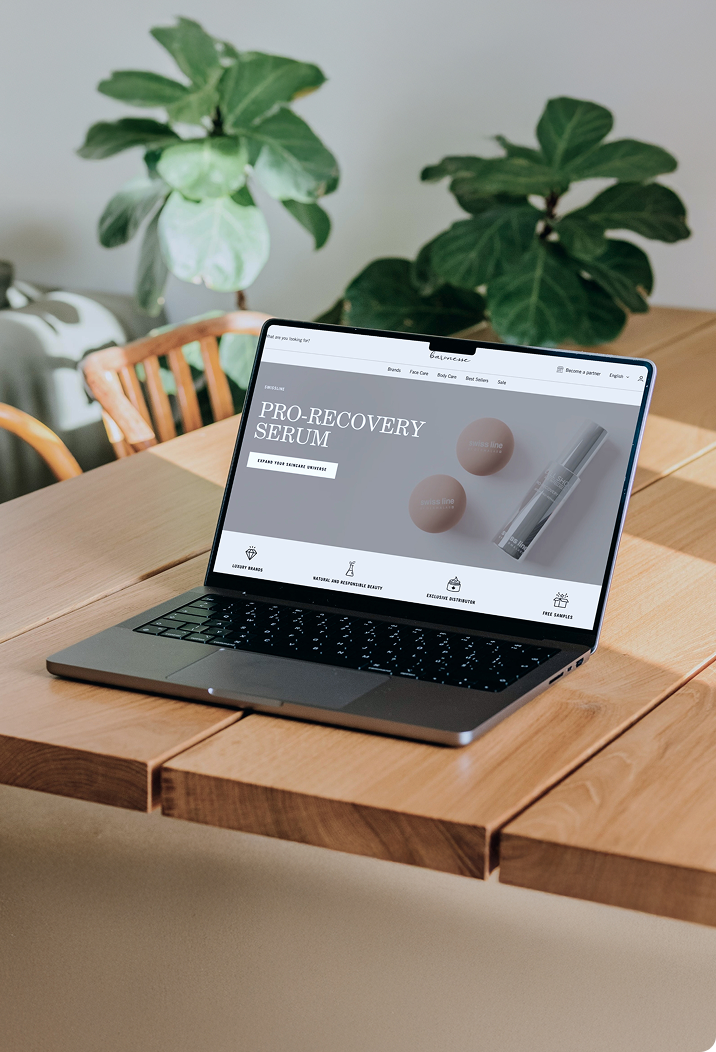
From Showcase to Sales: Baronesse’s Transformation into a Scalable E-Commerce Experience
How Lake House Group helped Baronesse transition from a basic showcase site to a high-performing, scalable Shopify e-commerce platform.
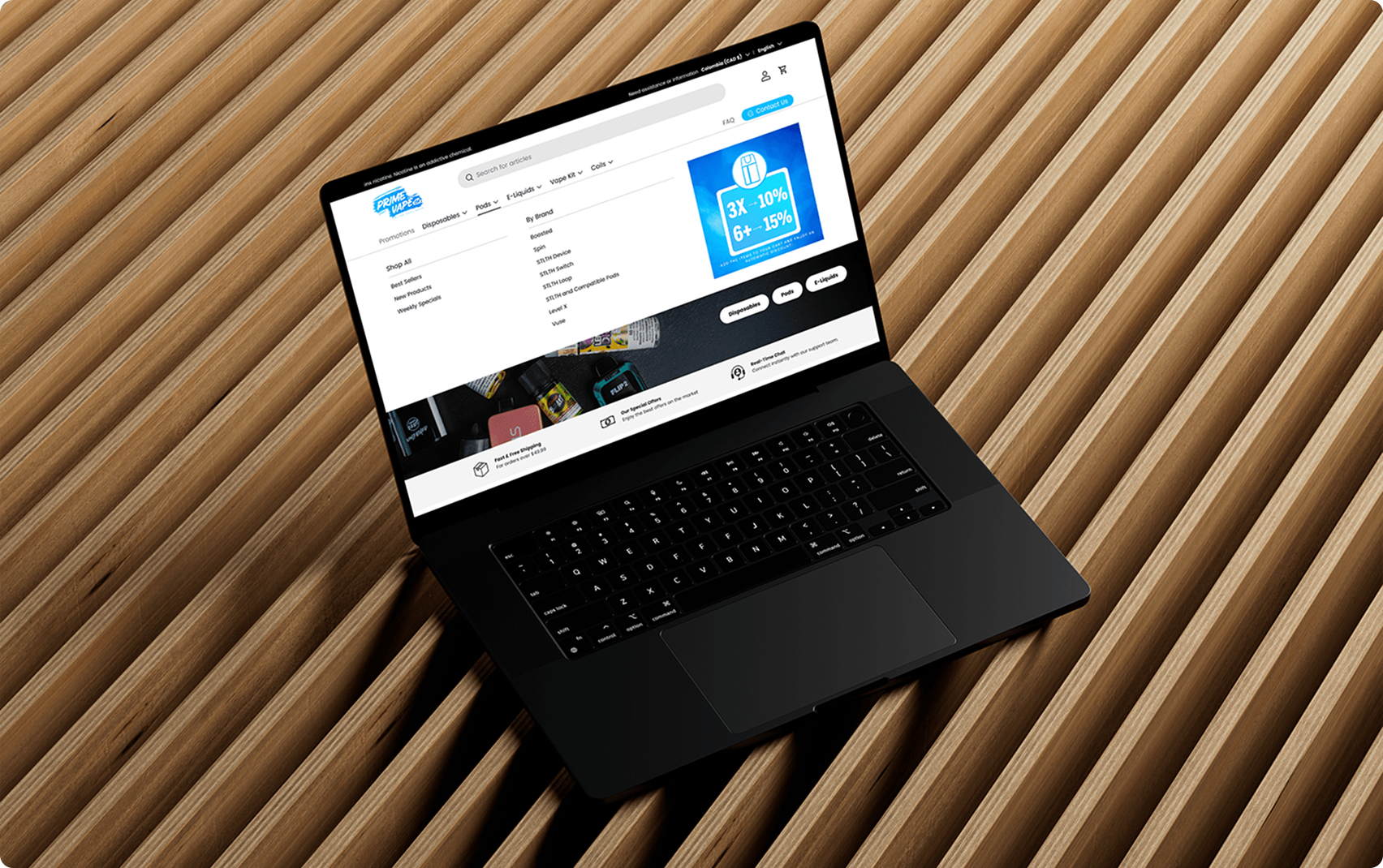
Full Shopify revamp for BFCM
How Lake House Group delivered a complete Shopify store transformation in one month, driving +23% AOV and +15% conversion rate for BFCM 2024.
Migrate to Shopify without destabilizing your organization
Lake House Group supports companies looking to migrate from a third-party ecommerce platform to Shopify without losing their operational assets. We turn a migration into a lever for clarity, reliability, and lasting evolution.